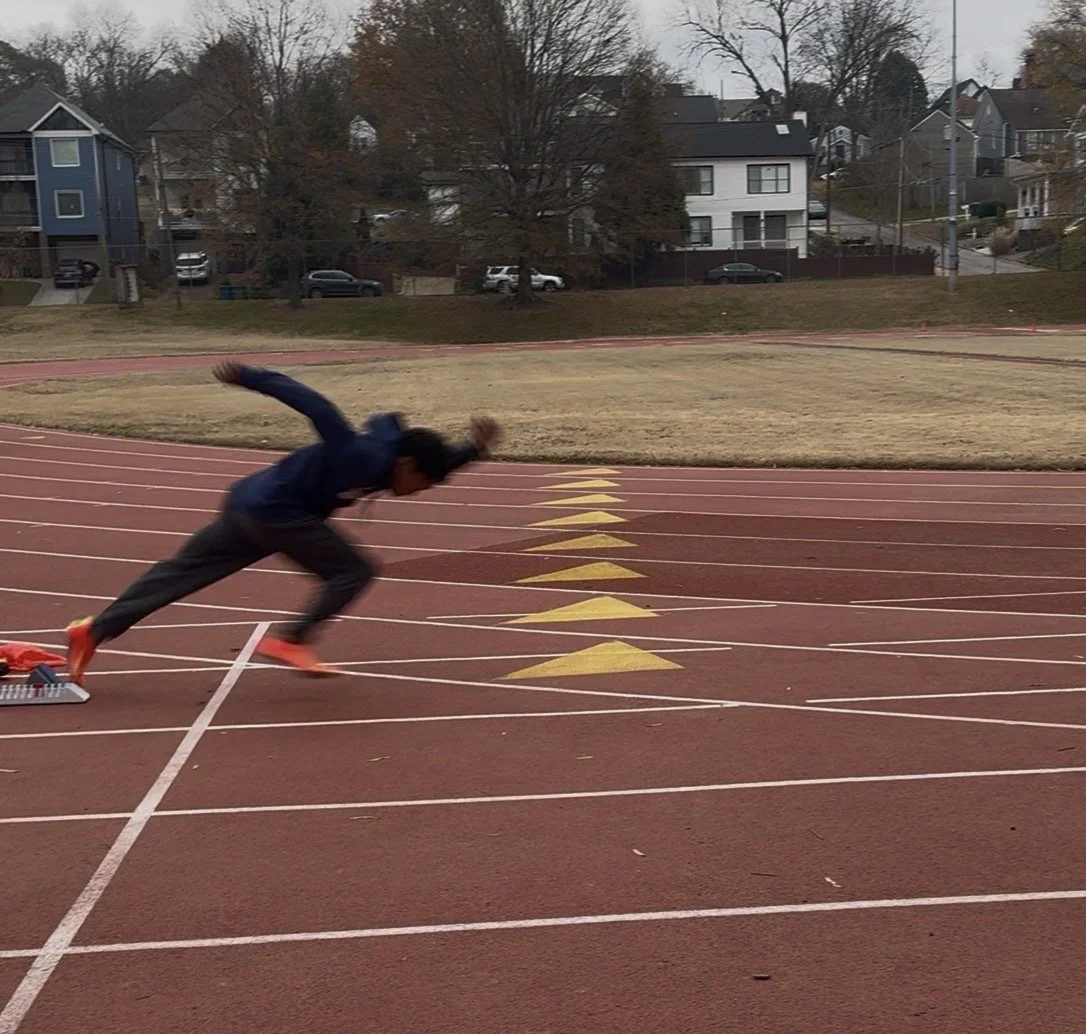
The Performance Rx Pathway
A Structured Approach to Long-Term Athlete Development
Performance Rx offers a pathway that integrates high-performance speed development and performance nutrition into a single, intentional system. Athletes are not placed based on preference or convenience. Placement is determined by readiness, training history, and long-term development goals.
The pathway exists to protect athlete health, create consistent progression, and ensure performance is developed with precision and not rushed.
How the Pathway is Structured
Athletes enter Performance Rx at the level that best matches their current stage of development. Their progression then follows a clear sequence:
Learn the mechanics of movement and speed Develop speed mechanics, coordination, and body control through guided learning and repetition
01
Establish technical and nutritional foundationsBuild movement mechanics, fueling habits, and training consistency required for safe, effective long-term development.
02
03
Prepare for defined performance windowsAlign speed training and nutrition strategies to support readiness, resilience, and performance during key competitive or exposure periods.
04
Support sustained, long-term performance developmentMaintain and progress speed, health, and performance capacity across multiple seasons through individualized, structured programming.
Not every athlete starts at the same point, and progression timelines vary. The pathway is designed to meet athletes where they are while maintaining high standards.

01 Intro to Speed Mechanics
Introduction to Speed Mechanics provides athletes with a guided overview of fundamental sprint mechanics and movement patterns. Emphasis is placed on posture, arm action, coordination, and basic acceleration techniques through focused instruction and simple drills.
Athletes are introduced to how speed is developed, how to move more efficiently, and what proper mechanics should feel like. The clinic prioritizes exposure, understanding, and initial skill development in a structured environment.
This level is appropriate for athletes who:
Are new to speed training and want an introduction
Have not received formal instruction in sprint mechanics
May be exploring Performance Rx training opportunities
Want to improve basic movement and running form
Outcome: Athletes gain an understanding of foundational speed mechanics and determine readiness for continued development within the Performance Rx system.
02 Foundations Development
Build the Base
Foundations Development establishes the technical, physical, and nutritional base required for effective speed training. Emphasis is placed on sprint mechanics, movement quality, consistency, and fueling habits that support growth and recovery.
Athletes learn how to apply force efficiently, train with intent, and fuel appropriately for training demands. Education and structure are prioritized to ensure readiness for higher-level development.
This level is appropriate for athletes who:
Are new to structured speed development
Have inconsistent training or fueling habits
Need to improve sprint mechanics and movement efficiency
Are focused on long-term progression rather than immediate results
Outcome: Athletes establish the habits, skills, and readiness required to progress safely within the Performance Rx system.
03 Performance Preparation
Train for the Moment
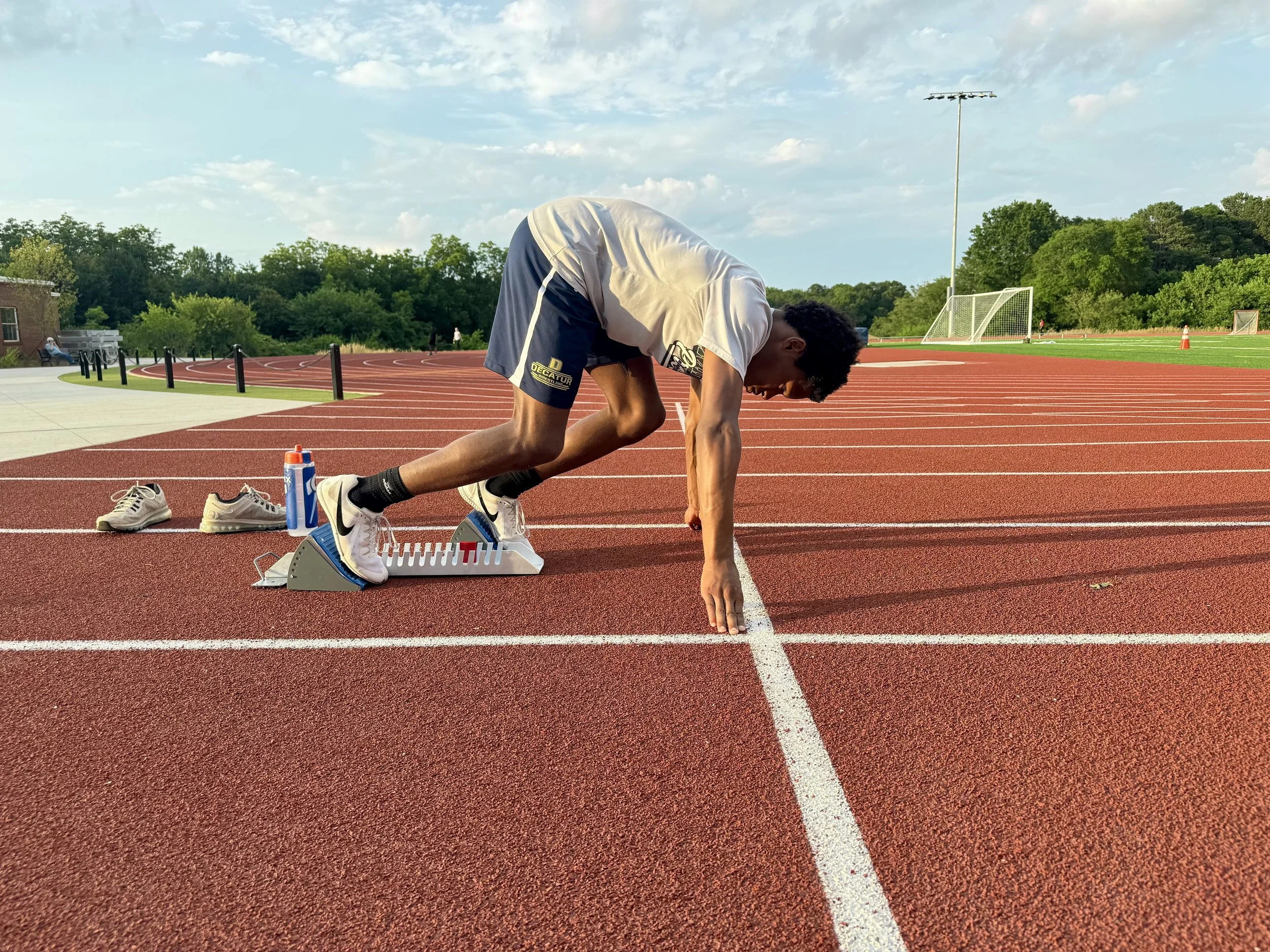
Performance Preparation is designed for athletes entering a defined competitive or exposure period, including seasons, showcases, and combines. Training focuses on expressing speed while managing fatigue, recovery, and overall readiness.
Speed mechanics are refined, volume is managed intentionally, and nutrition strategies are adjusted to support performance consistency under increased demand.
This level is appropriate for athletes who:
Have established technical foundations
Are approaching a competition or recruiting window
Can execute training and fueling strategies consistently
Require structured preparation and recovery planning
Outcome: Athletes enter performance windows prepared, resilient, and capable of repeating speed under competitive demands.
04 Advanced, Long-Term Development
Sustain Performance Over Time
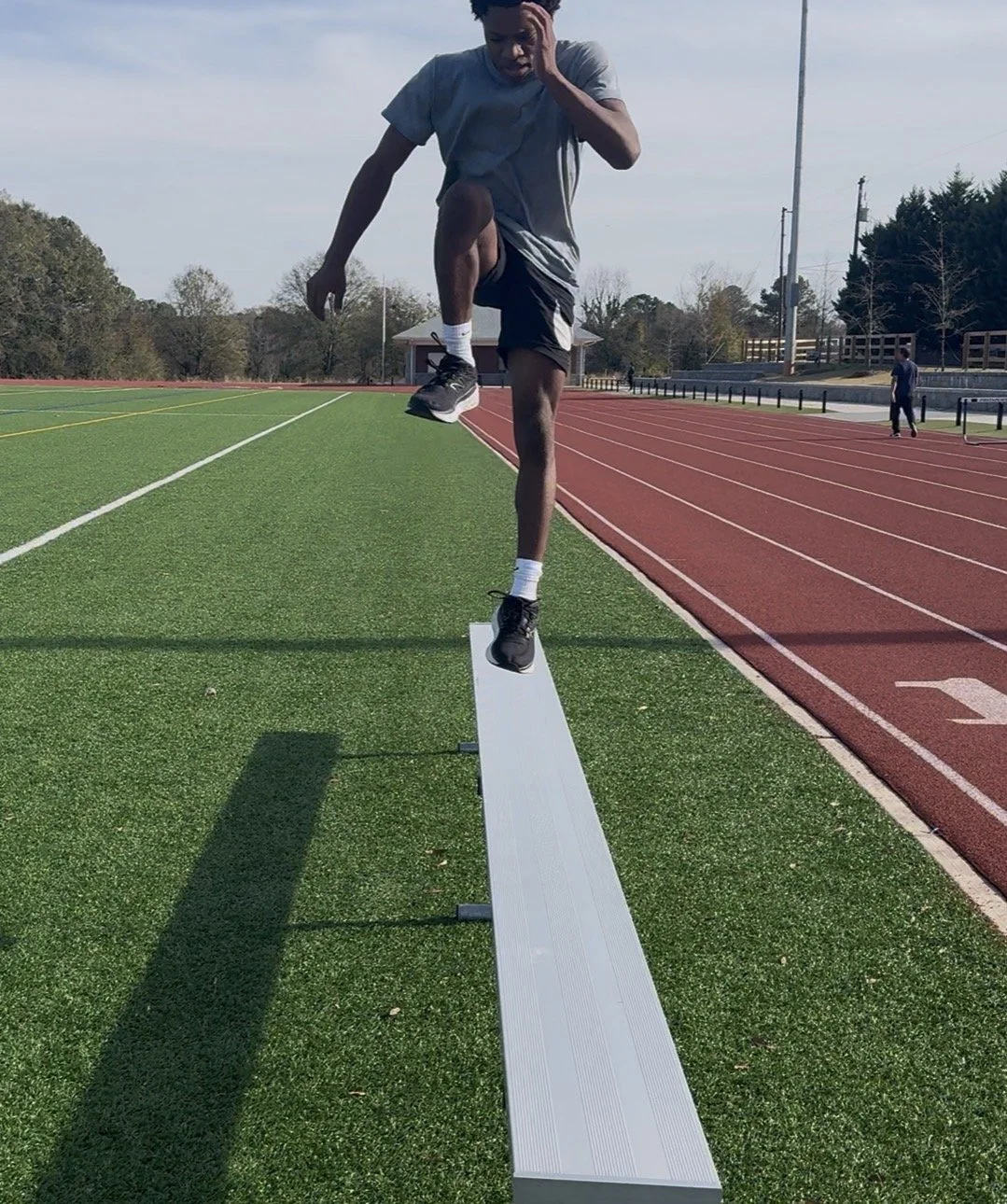
Advanced Long-Term Development supports athletes pursuing continued progression across multiple seasons or years. This level integrates ongoing elite speed training with advanced nutrition strategies to support durability, adaptation, and repeatable performance.
Programming is individualized and aligned with training cycles, competition schedules, and long-term goals. Athletes at this level are expected to train consistently and approach development with accountability.
This level is appropriate for athletes who:
Have demonstrated readiness for advanced work
Are committed to long-term performance development
Require precise alignment between training and nutrition
Value structure, consistency, and progression
Outcome: Athletes develop durable speed and maintain performance capacity while minimizing breakdown and burnout.